new

Get trending papers in your email inbox!

Subscribe

Daily Papers

byAK and the research community

Dec 9

Weight Compander: A Simple Weight Reparameterization for Regularization

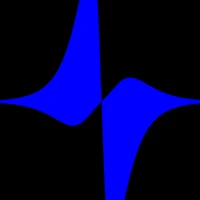
Regularization is a set of techniques that are used to improve the generalization ability of deep neural networks. In this paper, we introduce weight compander (WC), a novel effective method to improve generalization by reparameterizing each weight in deep neural networks using a nonlinear function. It is a general, intuitive, cheap and easy to implement method, which can be combined with various other regularization techniques. Large weights in deep neural networks are a sign of a more complex network that is overfitted to the training data. Moreover, regularized networks tend to have a greater range of weights around zero with fewer weights centered at zero. We introduce a weight reparameterization function which is applied to each weight and implicitly reduces overfitting by restricting the magnitude of the weights while forcing them away from zero at the same time. This leads to a more democratic decision-making in the network. Firstly, individual weights cannot have too much influence in the prediction process due to the restriction of their magnitude. Secondly, more weights are used in the prediction process, since they are forced away from zero during the training. This promotes the extraction of more features from the input data and increases the level of weight redundancy, which makes the network less sensitive to statistical differences between training and test data. We extend our method to learn the hyperparameters of the introduced weight reparameterization function. This avoids hyperparameter search and gives the network the opportunity to align the weight reparameterization with the training progress. We show experimentally that using weight compander in addition to standard regularization methods improves the performance of neural networks.

  • 3 authors
·
Jun 29, 2023

Enhancing Detail Preservation for Customized Text-to-Image Generation: A Regularization-Free Approach

Recent text-to-image generation models have demonstrated impressive capability of generating text-aligned images with high fidelity. However, generating images of novel concept provided by the user input image is still a challenging task. To address this problem, researchers have been exploring various methods for customizing pre-trained text-to-image generation models. Currently, most existing methods for customizing pre-trained text-to-image generation models involve the use of regularization techniques to prevent over-fitting. While regularization will ease the challenge of customization and leads to successful content creation with respect to text guidance, it may restrict the model capability, resulting in the loss of detailed information and inferior performance. In this work, we propose a novel framework for customized text-to-image generation without the use of regularization. Specifically, our proposed framework consists of an encoder network and a novel sampling method which can tackle the over-fitting problem without the use of regularization. With the proposed framework, we are able to customize a large-scale text-to-image generation model within half a minute on single GPU, with only one image provided by the user. We demonstrate in experiments that our proposed framework outperforms existing methods, and preserves more fine-grained details.

  • 4 authors
·
May 22, 2023

AlignGuard-LoRA: Alignment-Preserving Fine-Tuning via Fisher-Guided Decomposition and Riemannian-Geodesic Collision Regularization

Low-rank adaptation (LoRA) has become a standard tool for efficiently fine-tuning large language models (LLMs). Yet, even minor LoRA updates can induce alignment drift, weakening safety and behavioral constraints through entangled parameter changes. To address this, we propose AlignGuard-LoRA (AGL), a principled framework for preserving alignment during finetuning. AGL introduces several key components: a primary task loss for supervision, Fisher Information Matrix-based regularization to restrict updates in alignment-sensitive subspaces, and task-specific regularization to stabilize the integration of new knowledge. We further introduce collision-aware regularization, blending Riemannian overlap -- which penalizes coordinate-wise interference -- and geodesic separation -- which encourages disjoint update geometry. We curate DriftCaps, a targeted diagnostic benchmark of safe and unsafe prompts designed to quantify alignment drift and safety degradation. Empirical evaluations show that AGL mitigates alignment drift by up to 50% on safety-critical benchmarks without degrading downstream task performance. Comprehensive ablation confirms that each component contributes distinctly to preserving latent safety behaviors. Finally, we derive and validate a scaling law for catastrophic forgetting, revealing that AGL flattens post-finetuning loss escalation while preserving adaptation dynamics. AGL is a structurally grounded refinement of LoRA, ensuring alignment preservation with minimal trade-offs. To encourage further exploration and development, we open-source our implementation.

  • 4 authors
·
Aug 4 2

To Repeat or Not To Repeat: Insights from Scaling LLM under Token-Crisis

Recent research has highlighted the importance of dataset size in scaling language models. However, large language models (LLMs) are notoriously token-hungry during pre-training, and high-quality text data on the web is approaching its scaling limit for LLMs. To further enhance LLMs, a straightforward approach is to repeat the pre-training data for additional epochs. In this study, we empirically investigate three key aspects under this approach. First, we explore the consequences of repeating pre-training data, revealing that the model is susceptible to overfitting, leading to multi-epoch degradation. Second, we examine the key factors contributing to multi-epoch degradation, finding that significant factors include dataset size, model parameters, and training objectives, while less influential factors consist of dataset quality and model FLOPs. Finally, we explore whether widely used regularization can alleviate multi-epoch degradation. Most regularization techniques do not yield significant improvements, except for dropout, which demonstrates remarkable effectiveness but requires careful tuning when scaling up the model size. Additionally, we discover that leveraging mixture-of-experts (MoE) enables cost-effective and efficient hyper-parameter tuning for computationally intensive dense LLMs with comparable trainable parameters, potentially impacting efficient LLM development on a broader scale.

  • 5 authors
·
May 22, 2023

Improving Few-Shot Cross-Domain Named Entity Recognition by Instruction Tuning a Word-Embedding based Retrieval Augmented Large Language Model

Few-Shot Cross-Domain NER is the process of leveraging knowledge from data-rich source domains to perform entity recognition on data scarce target domains. Most previous state-of-the-art (SOTA) approaches use pre-trained language models (PLMs) for cross-domain NER. However, these models are often domain specific. To successfully use these models for new target domains, we need to modify either the model architecture or perform model finetuning using data from the new domains. Both of these result in the creation of entirely new NER models for each target domain which is infeasible for practical scenarios. Recently,several works have attempted to use LLMs to solve Few-Shot Cross-Domain NER. However, most of these are either too expensive for practical purposes or struggle to follow LLM prompt instructions. In this paper, we propose IF-WRANER (Instruction Finetuned Word-embedding based Retrieval Augmented large language model for Named Entity Recognition), a retrieval augmented LLM, finetuned for the NER task. By virtue of the regularization techniques used during LLM finetuning and the adoption of word-level embedding over sentence-level embedding during the retrieval of in-prompt examples, IF-WRANER is able to outperform previous SOTA Few-Shot Cross-Domain NER approaches. We have demonstrated the effectiveness of our model by benchmarking its performance on the open source CrossNER dataset, on which it shows more than 2% F1 score improvement over the previous SOTA model. We have deployed the model for multiple customer care domains of an enterprise. Accurate entity prediction through IF-WRANER helps direct customers to automated workflows for the domains, thereby reducing escalations to human agents by almost 15% and leading to millions of dollars in yearly savings for the company.

  • 2 authors
·
Nov 1, 2024

Towards Good Practices for Missing Modality Robust Action Recognition

Standard multi-modal models assume the use of the same modalities in training and inference stages. However, in practice, the environment in which multi-modal models operate may not satisfy such assumption. As such, their performances degrade drastically if any modality is missing in the inference stage. We ask: how can we train a model that is robust to missing modalities? This paper seeks a set of good practices for multi-modal action recognition, with a particular interest in circumstances where some modalities are not available at an inference time. First, we study how to effectively regularize the model during training (e.g., data augmentation). Second, we investigate on fusion methods for robustness to missing modalities: we find that transformer-based fusion shows better robustness for missing modality than summation or concatenation. Third, we propose a simple modular network, ActionMAE, which learns missing modality predictive coding by randomly dropping modality features and tries to reconstruct them with the remaining modality features. Coupling these good practices, we build a model that is not only effective in multi-modal action recognition but also robust to modality missing. Our model achieves the state-of-the-arts on multiple benchmarks and maintains competitive performances even in missing modality scenarios. Codes are available at https://github.com/sangminwoo/ActionMAE.

  • 5 authors
·
Nov 25, 2022

Rewards Are Enough for Fast Photo-Realistic Text-to-image Generation

Aligning generated images to complicated text prompts and human preferences is a central challenge in Artificial Intelligence-Generated Content (AIGC). With reward-enhanced diffusion distillation emerging as a promising approach that boosts controllability and fidelity of text-to-image models, we identify a fundamental paradigm shift: as conditions become more specific and reward signals stronger, the rewards themselves become the dominant force in generation. In contrast, the diffusion losses serve as an overly expensive form of regularization. To thoroughly validate our hypothesis, we introduce R0, a novel conditional generation approach via regularized reward maximization. Instead of relying on tricky diffusion distillation losses, R0 proposes a new perspective that treats image generations as an optimization problem in data space which aims to search for valid images that have high compositional rewards. By innovative designs of the generator parameterization and proper regularization techniques, we train state-of-the-art few-step text-to-image generative models with R0 at scales. Our results challenge the conventional wisdom of diffusion post-training and conditional generation by demonstrating that rewards play a dominant role in scenarios with complex conditions. We hope our findings can contribute to further research into human-centric and reward-centric generation paradigms across the broader field of AIGC. Code is available at https://github.com/Luo-Yihong/R0.

  • 5 authors
·
Mar 17 2

A Closer Look at Rehearsal-Free Continual Learning

Continual learning is a setting where machine learning models learn novel concepts from continuously shifting training data, while simultaneously avoiding degradation of knowledge on previously seen classes which may disappear from the training data for extended periods of time (a phenomenon known as the catastrophic forgetting problem). Current approaches for continual learning of a single expanding task (aka class-incremental continual learning) require extensive rehearsal of previously seen data to avoid this degradation of knowledge. Unfortunately, rehearsal comes at a cost to memory, and it may also violate data-privacy. Instead, we explore combining knowledge distillation and parameter regularization in new ways to achieve strong continual learning performance without rehearsal. Specifically, we take a deep dive into common continual learning techniques: prediction distillation, feature distillation, L2 parameter regularization, and EWC parameter regularization. We first disprove the common assumption that parameter regularization techniques fail for rehearsal-free continual learning of a single, expanding task. Next, we explore how to leverage knowledge from a pre-trained model in rehearsal-free continual learning and find that vanilla L2 parameter regularization outperforms EWC parameter regularization and feature distillation. Finally, we explore the recently popular ImageNet-R benchmark, and show that L2 parameter regularization implemented in self-attention blocks of a ViT transformer outperforms recent popular prompting for continual learning methods.

  • 5 authors
·
Mar 31, 2022

Self-supervised Learning for Large-scale Item Recommendations

Large scale recommender models find most relevant items from huge catalogs, and they play a critical role in modern search and recommendation systems. To model the input space with large-vocab categorical features, a typical recommender model learns a joint embedding space through neural networks for both queries and items from user feedback data. However, with millions to billions of items in the corpus, users tend to provide feedback for a very small set of them, causing a power-law distribution. This makes the feedback data for long-tail items extremely sparse. Inspired by the recent success in self-supervised representation learning research in both computer vision and natural language understanding, we propose a multi-task self-supervised learning (SSL) framework for large-scale item recommendations. The framework is designed to tackle the label sparsity problem by learning better latent relationship of item features. Specifically, SSL improves item representation learning as well as serving as additional regularization to improve generalization. Furthermore, we propose a novel data augmentation method that utilizes feature correlations within the proposed framework. We evaluate our framework using two real-world datasets with 500M and 1B training examples respectively. Our results demonstrate the effectiveness of SSL regularization and show its superior performance over the state-of-the-art regularization techniques. We also have already launched the proposed techniques to a web-scale commercial app-to-app recommendation system, with significant improvements top-tier business metrics demonstrated in A/B experiments on live traffic. Our online results also verify our hypothesis that our framework indeed improves model performance even more on slices that lack supervision.

  • 11 authors
·
Jul 25, 2020

MeshGS: Adaptive Mesh-Aligned Gaussian Splatting for High-Quality Rendering

Recently, 3D Gaussian splatting has gained attention for its capability to generate high-fidelity rendering results. At the same time, most applications such as games, animation, and AR/VR use mesh-based representations to represent and render 3D scenes. We propose a novel approach that integrates mesh representation with 3D Gaussian splats to perform high-quality rendering of reconstructed real-world scenes. In particular, we introduce a distance-based Gaussian splatting technique to align the Gaussian splats with the mesh surface and remove redundant Gaussian splats that do not contribute to the rendering. We consider the distance between each Gaussian splat and the mesh surface to distinguish between tightly-bound and loosely-bound Gaussian splats. The tightly-bound splats are flattened and aligned well with the mesh geometry. The loosely-bound Gaussian splats are used to account for the artifacts in reconstructed 3D meshes in terms of rendering. We present a training strategy of binding Gaussian splats to the mesh geometry, and take into account both types of splats. In this context, we introduce several regularization techniques aimed at precisely aligning tightly-bound Gaussian splats with the mesh surface during the training process. We validate the effectiveness of our method on large and unbounded scene from mip-NeRF 360 and Deep Blending datasets. Our method surpasses recent mesh-based neural rendering techniques by achieving a 2dB higher PSNR, and outperforms mesh-based Gaussian splatting methods by 1.3 dB PSNR, particularly on the outdoor mip-NeRF 360 dataset, demonstrating better rendering quality. We provide analyses for each type of Gaussian splat and achieve a reduction in the number of Gaussian splats by 30% compared to the original 3D Gaussian splatting.

  • 5 authors
·
Oct 11, 2024

Improving Multi-task Learning via Seeking Task-based Flat Regions

Multi-Task Learning (MTL) is a widely-used and powerful learning paradigm for training deep neural networks that allows learning more than one objective by a single backbone. Compared to training tasks separately, MTL significantly reduces computational costs, improves data efficiency, and potentially enhances model performance by leveraging knowledge across tasks. Hence, it has been adopted in a variety of applications, ranging from computer vision to natural language processing and speech recognition. Among them, there is an emerging line of work in MTL that focuses on manipulating the task gradient to derive an ultimate gradient descent direction to benefit all tasks. Despite achieving impressive results on many benchmarks, directly applying these approaches without using appropriate regularization techniques might lead to suboptimal solutions on real-world problems. In particular, standard training that minimizes the empirical loss on the training data can easily suffer from overfitting to low-resource tasks or be spoiled by noisy-labeled ones, which can cause negative transfer between tasks and overall performance drop. To alleviate such problems, we propose to leverage a recently introduced training method, named Sharpness-aware Minimization, which can enhance model generalization ability on single-task learning. Accordingly, we present a novel MTL training methodology, encouraging the model to find task-based flat minima for coherently improving its generalization capability on all tasks. Finally, we conduct comprehensive experiments on a variety of applications to demonstrate the merit of our proposed approach to existing gradient-based MTL methods, as suggested by our developed theory.

  • 6 authors
·
Nov 24, 2022

Policy Gradient-Driven Noise Mask

Deep learning classifiers face significant challenges when dealing with heterogeneous multi-modal and multi-organ biomedical datasets. The low-level feature distinguishability limited to imaging-modality hinders the classifiers' ability to learn high-level semantic relationships, resulting in sub-optimal performance. To address this issue, image augmentation strategies are employed as regularization techniques. While additive noise input during network training is a well-established augmentation as regularization method, modern pipelines often favor more robust techniques such as dropout and weight decay. This preference stems from the observation that combining these established techniques with noise input can adversely affect model performance. In this study, we propose a novel pretraining pipeline that learns to generate conditional noise mask specifically tailored to improve performance on multi-modal and multi-organ datasets. As a reinforcement learning algorithm, our approach employs a dual-component system comprising a very light-weight policy network that learns to sample conditional noise using a differentiable beta distribution as well as a classifier network. The policy network is trained using the reinforce algorithm to generate image-specific noise masks that regularize the classifier during pretraining. A key aspect is that the policy network's role is limited to obtaining an intermediate (or heated) model before fine-tuning. During inference, the policy network is omitted, allowing direct comparison between the baseline and noise-regularized models. We conducted experiments and related analyses on RadImageNet datasets. Results demonstrate that fine-tuning the intermediate models consistently outperforms conventional training algorithms on both classification and generalization to unseen concept tasks.

  • 2 authors
·
Apr 29, 2024

Learning Unified Decompositional and Compositional NeRF for Editable Novel View Synthesis

Implicit neural representations have shown powerful capacity in modeling real-world 3D scenes, offering superior performance in novel view synthesis. In this paper, we target a more challenging scenario, i.e., joint scene novel view synthesis and editing based on implicit neural scene representations. State-of-the-art methods in this direction typically consider building separate networks for these two tasks (i.e., view synthesis and editing). Thus, the modeling of interactions and correlations between these two tasks is very limited, which, however, is critical for learning high-quality scene representations. To tackle this problem, in this paper, we propose a unified Neural Radiance Field (NeRF) framework to effectively perform joint scene decomposition and composition for modeling real-world scenes. The decomposition aims at learning disentangled 3D representations of different objects and the background, allowing for scene editing, while scene composition models an entire scene representation for novel view synthesis. Specifically, with a two-stage NeRF framework, we learn a coarse stage for predicting a global radiance field as guidance for point sampling, and in the second fine-grained stage, we perform scene decomposition by a novel one-hot object radiance field regularization module and a pseudo supervision via inpainting to handle ambiguous background regions occluded by objects. The decomposed object-level radiance fields are further composed by using activations from the decomposition module. Extensive quantitative and qualitative results show the effectiveness of our method for scene decomposition and composition, outperforming state-of-the-art methods for both novel-view synthesis and editing tasks.

  • 3 authors
·
Aug 5, 2023

Improved baselines for vision-language pre-training

Contrastive learning has emerged as an efficient framework to learn multimodal representations. CLIP, a seminal work in this area, achieved impressive results by training on paired image-text data using the contrastive loss. Recent work claims improvements over CLIP using additional non-contrastive losses inspired from self-supervised learning. However, it is sometimes hard to disentangle the contribution of these additional losses from other implementation details, e.g., data augmentation or regularization techniques, used to train the model. To shed light on this matter, in this paper, we first propose, implement and evaluate several baselines obtained by combining contrastive learning with recent advances in self-supervised learning. In particular, we use the loss functions that were proven successful for visual self-supervised learning to align image and text modalities. We find that these baselines outperform a basic implementation of CLIP. However, when a stronger training recipe is employed, the advantage disappears. Indeed, we find that a simple CLIP baseline can also be improved substantially, up to a 25% relative improvement on downstream zero-shot tasks, by using well-known training techniques that are popular in other subfields. Moreover, we discover that it is enough to apply image and text augmentations to make up for most of the improvement attained by prior works. With our improved training recipe for CLIP, we obtain state-of-the-art performance on four standard datasets, and consistently outperform prior work (up to +4% on the largest dataset), while being substantially simpler.

  • 5 authors
·
May 15, 2023

SplatFormer: Point Transformer for Robust 3D Gaussian Splatting

3D Gaussian Splatting (3DGS) has recently transformed photorealistic reconstruction, achieving high visual fidelity and real-time performance. However, rendering quality significantly deteriorates when test views deviate from the camera angles used during training, posing a major challenge for applications in immersive free-viewpoint rendering and navigation. In this work, we conduct a comprehensive evaluation of 3DGS and related novel view synthesis methods under out-of-distribution (OOD) test camera scenarios. By creating diverse test cases with synthetic and real-world datasets, we demonstrate that most existing methods, including those incorporating various regularization techniques and data-driven priors, struggle to generalize effectively to OOD views. To address this limitation, we introduce SplatFormer, the first point transformer model specifically designed to operate on Gaussian splats. SplatFormer takes as input an initial 3DGS set optimized under limited training views and refines it in a single forward pass, effectively removing potential artifacts in OOD test views. To our knowledge, this is the first successful application of point transformers directly on 3DGS sets, surpassing the limitations of previous multi-scene training methods, which could handle only a restricted number of input views during inference. Our model significantly improves rendering quality under extreme novel views, achieving state-of-the-art performance in these challenging scenarios and outperforming various 3DGS regularization techniques, multi-scene models tailored for sparse view synthesis, and diffusion-based frameworks.

  • 6 authors
·
Nov 10, 2024

Astroformer: More Data Might not be all you need for Classification

Recent advancements in areas such as natural language processing and computer vision rely on intricate and massive models that have been trained using vast amounts of unlabelled or partly labeled data and training or deploying these state-of-the-art methods to resource constraint environments has been a challenge. Galaxy morphologies are crucial to understanding the processes by which galaxies form and evolve. Efficient methods to classify galaxy morphologies are required to extract physical information from modern-day astronomy surveys. In this paper, we introduce Astroformer, a method to learn from less amount of data. We propose using a hybrid transformer-convolutional architecture drawing much inspiration from the success of CoAtNet and MaxViT. Concretely, we use the transformer-convolutional hybrid with a new stack design for the network, a different way of creating a relative self-attention layer, and pair it with a careful selection of data augmentation and regularization techniques. Our approach sets a new state-of-the-art on predicting galaxy morphologies from images on the Galaxy10 DECals dataset, a science objective, which consists of 17736 labeled images achieving 94.86% top-1 accuracy, beating the current state-of-the-art for this task by 4.62%. Furthermore, this approach also sets a new state-of-the-art on CIFAR-100 and Tiny ImageNet. We also find that models and training methods used for larger datasets would often not work very well in the low-data regime.

  • 1 authors
·
Apr 3, 2023

Music FaderNets: Controllable Music Generation Based On High-Level Features via Low-Level Feature Modelling

High-level musical qualities (such as emotion) are often abstract, subjective, and hard to quantify. Given these difficulties, it is not easy to learn good feature representations with supervised learning techniques, either because of the insufficiency of labels, or the subjectiveness (and hence large variance) in human-annotated labels. In this paper, we present a framework that can learn high-level feature representations with a limited amount of data, by first modelling their corresponding quantifiable low-level attributes. We refer to our proposed framework as Music FaderNets, which is inspired by the fact that low-level attributes can be continuously manipulated by separate "sliding faders" through feature disentanglement and latent regularization techniques. High-level features are then inferred from the low-level representations through semi-supervised clustering using Gaussian Mixture Variational Autoencoders (GM-VAEs). Using arousal as an example of a high-level feature, we show that the "faders" of our model are disentangled and change linearly w.r.t. the modelled low-level attributes of the generated output music. Furthermore, we demonstrate that the model successfully learns the intrinsic relationship between arousal and its corresponding low-level attributes (rhythm and note density), with only 1% of the training set being labelled. Finally, using the learnt high-level feature representations, we explore the application of our framework in style transfer tasks across different arousal states. The effectiveness of this approach is verified through a subjective listening test.

  • 2 authors
·
Jul 29, 2020

4DTAM: Non-Rigid Tracking and Mapping via Dynamic Surface Gaussians

We propose the first 4D tracking and mapping method that jointly performs camera localization and non-rigid surface reconstruction via differentiable rendering. Our approach captures 4D scenes from an online stream of color images with depth measurements or predictions by jointly optimizing scene geometry, appearance, dynamics, and camera ego-motion. Although natural environments exhibit complex non-rigid motions, 4D-SLAM remains relatively underexplored due to its inherent challenges; even with 2.5D signals, the problem is ill-posed because of the high dimensionality of the optimization space. To overcome these challenges, we first introduce a SLAM method based on Gaussian surface primitives that leverages depth signals more effectively than 3D Gaussians, thereby achieving accurate surface reconstruction. To further model non-rigid deformations, we employ a warp-field represented by a multi-layer perceptron (MLP) and introduce a novel camera pose estimation technique along with surface regularization terms that facilitate spatio-temporal reconstruction. In addition to these algorithmic challenges, a significant hurdle in 4D SLAM research is the lack of reliable ground truth and evaluation protocols, primarily due to the difficulty of 4D capture using commodity sensors. To address this, we present a novel open synthetic dataset of everyday objects with diverse motions, leveraging large-scale object models and animation modeling. In summary, we open up the modern 4D-SLAM research by introducing a novel method and evaluation protocols grounded in modern vision and rendering techniques.

  • 3 authors
·
May 28

DARE the Extreme: Revisiting Delta-Parameter Pruning For Fine-Tuned Models

Storing open-source fine-tuned models separately introduces redundancy and increases response times in applications utilizing multiple models. Delta-parameter pruning (DPP), particularly the random drop and rescale (DARE) method proposed by Yu et al., addresses this by pruning the majority of delta parameters--the differences between fine-tuned and pre-trained model weights--while typically maintaining minimal performance loss. However, DARE fails when either the pruning rate or the magnitude of the delta parameters is large. We highlight two key reasons for this failure: (1) an excessively large rescaling factor as pruning rates increase, and (2) high mean and variance in the delta parameters. To push DARE's limits, we introduce DAREx (DARE the eXtreme), which features two algorithmic improvements: (1) DAREx-q, a rescaling factor modification that significantly boosts performance at high pruning rates (e.g., >30 % on COLA and SST2 for encoder models, with even greater gains in decoder models), and (2) DAREx-L2, which combines DARE with AdamR, an in-training method that applies appropriate delta regularization before DPP. We also demonstrate that DAREx-q can be seamlessly combined with vanilla parameter-efficient fine-tuning techniques like LoRA and can facilitate structural DPP. Additionally, we revisit the application of importance-based pruning techniques within DPP, demonstrating that they outperform random-based methods when delta parameters are large. Through this comprehensive study, we develop a pipeline for selecting the most appropriate DPP method under various practical scenarios.

  • 6 authors
·
Oct 11, 2024

Early-Learning Regularization Prevents Memorization of Noisy Labels

We propose a novel framework to perform classification via deep learning in the presence of noisy annotations. When trained on noisy labels, deep neural networks have been observed to first fit the training data with clean labels during an "early learning" phase, before eventually memorizing the examples with false labels. We prove that early learning and memorization are fundamental phenomena in high-dimensional classification tasks, even in simple linear models, and give a theoretical explanation in this setting. Motivated by these findings, we develop a new technique for noisy classification tasks, which exploits the progress of the early learning phase. In contrast with existing approaches, which use the model output during early learning to detect the examples with clean labels, and either ignore or attempt to correct the false labels, we take a different route and instead capitalize on early learning via regularization. There are two key elements to our approach. First, we leverage semi-supervised learning techniques to produce target probabilities based on the model outputs. Second, we design a regularization term that steers the model towards these targets, implicitly preventing memorization of the false labels. The resulting framework is shown to provide robustness to noisy annotations on several standard benchmarks and real-world datasets, where it achieves results comparable to the state of the art.

  • 4 authors
·
Jun 30, 2020

RED-PSM: Regularization by Denoising of Partially Separable Models for Dynamic Imaging

Dynamic imaging addresses the recovery of a time-varying 2D or 3D object at each time instant using its undersampled measurements. In particular, in the case of dynamic tomography, only a single projection at a single view angle may be available at a time, making the problem severely ill-posed. In this work, we propose an approach, RED-PSM, which combines for the first time two powerful techniques to address this challenging imaging problem. The first, are partially separable models, which have been used to efficiently introduce a low-rank prior for the spatio-temporal object. The second is the recent Regularization by Denoising (RED), which provides a flexible framework to exploit the impressive performance of state-of-the-art image denoising algorithms, for various inverse problems. We propose a partially separable objective with RED and a computationally efficient and scalable optimization scheme with variable splitting and ADMM. Theoretical analysis proves the convergence of our objective to a value corresponding to a stationary point satisfying the first-order optimality conditions. Convergence is accelerated by a particular projection-domain-based initialization. We demonstrate the performance and computational improvements of our proposed RED-PSM with a learned image denoiser by comparing it to a recent deep-prior-based method known as TD-DIP. Although the main focus is on dynamic tomography, we also show the performance advantages of RED-PSM in a cardiac dynamic MRI setting.

  • 3 authors
·
Apr 7, 2023

Dynamic Typography: Bringing Words to Life

Text animation serves as an expressive medium, transforming static communication into dynamic experiences by infusing words with motion to evoke emotions, emphasize meanings, and construct compelling narratives. Crafting animations that are semantically aware poses significant challenges, demanding expertise in graphic design and animation. We present an automated text animation scheme, termed "Dynamic Typography", which combines two challenging tasks. It deforms letters to convey semantic meaning and infuses them with vibrant movements based on user prompts. Our technique harnesses vector graphics representations and an end-to-end optimization-based framework. This framework employs neural displacement fields to convert letters into base shapes and applies per-frame motion, encouraging coherence with the intended textual concept. Shape preservation techniques and perceptual loss regularization are employed to maintain legibility and structural integrity throughout the animation process. We demonstrate the generalizability of our approach across various text-to-video models and highlight the superiority of our end-to-end methodology over baseline methods, which might comprise separate tasks. Through quantitative and qualitative evaluations, we demonstrate the effectiveness of our framework in generating coherent text animations that faithfully interpret user prompts while maintaining readability. Our code is available at: https://animate-your-word.github.io/demo/.

  • 7 authors
·
Apr 17, 2024 4

Catastrophic Interference is Mitigated in Naturalistic Power-Law Learning Environments

Neural networks often suffer from catastrophic interference (CI): performance on previously learned tasks drops off significantly when learning a new task. This contrasts strongly with humans, who can sequentially learn new tasks without appreciably forgetting previous tasks. Prior work has explored various techniques for mitigating CI such as regularization, rehearsal, generative replay, and distillation methods. The current work takes a different approach, one guided by cognitive science research showing that in naturalistic environments, the probability of encountering a task decreases as a power-law of the time since it was last performed. We argue that a realistic evaluation of techniques for the mitigation of CI should be performed in simulated naturalistic learning environments. Thus, we evaluate the extent of mitigation of CI when training simple rehearsal-based methods in power-law environments similar to the ones humans face. Our work explores this novel rehearsal-based approach for a domain-incremental task: learning permutations in the MNIST task. We compare our rehearsal environment with other baselines to show its efficacy in promoting continual learning. Additionally, we investigate whether this environment shows forward facilitation, i.e., faster learning of later tasks. Next, we explore the robustness of our learning environment to the number of tasks, model size, and amount of data rehearsed after each task. Notably, our results show that the performance is comparable or superior to that of models trained using popular regularization methods and also to rehearsals in non-power-law environments. The benefits of this training paradigm include simplicity and the lack of a need for extra neural circuitry. In addition, because our method is orthogonal to other methods, future research can combine training in power-law environments with other continual learning mechanisms.

  • 4 authors
·
Jan 18, 2024

Margin-aware Preference Optimization for Aligning Diffusion Models without Reference

Modern alignment techniques based on human preferences, such as RLHF and DPO, typically employ divergence regularization relative to the reference model to ensure training stability. However, this often limits the flexibility of models during alignment, especially when there is a clear distributional discrepancy between the preference data and the reference model. In this paper, we focus on the alignment of recent text-to-image diffusion models, such as Stable Diffusion XL (SDXL), and find that this "reference mismatch" is indeed a significant problem in aligning these models due to the unstructured nature of visual modalities: e.g., a preference for a particular stylistic aspect can easily induce such a discrepancy. Motivated by this observation, we propose a novel and memory-friendly preference alignment method for diffusion models that does not depend on any reference model, coined margin-aware preference optimization (MaPO). MaPO jointly maximizes the likelihood margin between the preferred and dispreferred image sets and the likelihood of the preferred sets, simultaneously learning general stylistic features and preferences. For evaluation, we introduce two new pairwise preference datasets, which comprise self-generated image pairs from SDXL, Pick-Style and Pick-Safety, simulating diverse scenarios of reference mismatch. Our experiments validate that MaPO can significantly improve alignment on Pick-Style and Pick-Safety and general preference alignment when used with Pick-a-Pic v2, surpassing the base SDXL and other existing methods. Our code, models, and datasets are publicly available via https://mapo-t2i.github.io

  • 6 authors
·
Jun 10, 2024 1

Deep Interest Network for Click-Through Rate Prediction

Click-through rate prediction is an essential task in industrial applications, such as online advertising. Recently deep learning based models have been proposed, which follow a similar Embedding\&MLP paradigm. In these methods large scale sparse input features are first mapped into low dimensional embedding vectors, and then transformed into fixed-length vectors in a group-wise manner, finally concatenated together to fed into a multilayer perceptron (MLP) to learn the nonlinear relations among features. In this way, user features are compressed into a fixed-length representation vector, in regardless of what candidate ads are. The use of fixed-length vector will be a bottleneck, which brings difficulty for Embedding\&MLP methods to capture user's diverse interests effectively from rich historical behaviors. In this paper, we propose a novel model: Deep Interest Network (DIN) which tackles this challenge by designing a local activation unit to adaptively learn the representation of user interests from historical behaviors with respect to a certain ad. This representation vector varies over different ads, improving the expressive ability of model greatly. Besides, we develop two techniques: mini-batch aware regularization and data adaptive activation function which can help training industrial deep networks with hundreds of millions of parameters. Experiments on two public datasets as well as an Alibaba real production dataset with over 2 billion samples demonstrate the effectiveness of proposed approaches, which achieve superior performance compared with state-of-the-art methods. DIN now has been successfully deployed in the online display advertising system in Alibaba, serving the main traffic.

  • 10 authors
·
Jun 21, 2017

Enhancing Visual Continual Learning with Language-Guided Supervision

Continual learning (CL) aims to empower models to learn new tasks without forgetting previously acquired knowledge. Most prior works concentrate on the techniques of architectures, replay data, regularization, \etc. However, the category name of each class is largely neglected. Existing methods commonly utilize the one-hot labels and randomly initialize the classifier head. We argue that the scarce semantic information conveyed by the one-hot labels hampers the effective knowledge transfer across tasks. In this paper, we revisit the role of the classifier head within the CL paradigm and replace the classifier with semantic knowledge from pretrained language models (PLMs). Specifically, we use PLMs to generate semantic targets for each class, which are frozen and serve as supervision signals during training. Such targets fully consider the semantic correlation between all classes across tasks. Empirical studies show that our approach mitigates forgetting by alleviating representation drifting and facilitating knowledge transfer across tasks. The proposed method is simple to implement and can seamlessly be plugged into existing methods with negligible adjustments. Extensive experiments based on eleven mainstream baselines demonstrate the effectiveness and generalizability of our approach to various protocols. For example, under the class-incremental learning setting on ImageNet-100, our method significantly improves the Top-1 accuracy by 3.2\% to 6.1\% while reducing the forgetting rate by 2.6\% to 13.1\%.

  • 7 authors
·
Mar 24, 2024

Building Safe and Reliable AI systems for Safety Critical Tasks with Vision-Language Processing

Although AI systems have been applied in various fields and achieved impressive performance, their safety and reliability are still a big concern. This is especially important for safety-critical tasks. One shared characteristic of these critical tasks is their risk sensitivity, where small mistakes can cause big consequences and even endanger life. There are several factors that could be guidelines for the successful deployment of AI systems in sensitive tasks: (i) failure detection and out-of-distribution (OOD) detection; (ii) overfitting identification; (iii) uncertainty quantification for predictions; (iv) robustness to data perturbations. These factors are also challenges of current AI systems, which are major blocks for building safe and reliable AI. Specifically, the current AI algorithms are unable to identify common causes for failure detection. Furthermore, additional techniques are required to quantify the quality of predictions. All these contribute to inaccurate uncertainty quantification, which lowers trust in predictions. Hence obtaining accurate model uncertainty quantification and its further improvement are challenging. To address these issues, many techniques have been proposed, such as regularization methods and learning strategies. As vision and language are the most typical data type and have many open source benchmark datasets, this thesis will focus on vision-language data processing for tasks like classification, image captioning, and vision question answering. In this thesis, we aim to build a safeguard by further developing current techniques to ensure the accurate model uncertainty for safety-critical tasks.

  • 1 authors
·
Aug 6, 2023

Solving the Catastrophic Forgetting Problem in Generalized Category Discovery

Generalized Category Discovery (GCD) aims to identify a mix of known and novel categories within unlabeled data sets, providing a more realistic setting for image recognition. Essentially, GCD needs to remember existing patterns thoroughly to recognize novel categories. Recent state-of-the-art method SimGCD transfers the knowledge from known-class data to the learning of novel classes through debiased learning. However, some patterns are catastrophically forgot during adaptation and thus lead to poor performance in novel categories classification. To address this issue, we propose a novel learning approach, LegoGCD, which is seamlessly integrated into previous methods to enhance the discrimination of novel classes while maintaining performance on previously encountered known classes. Specifically, we design two types of techniques termed as Local Entropy Regularization (LER) and Dual-views Kullback Leibler divergence constraint (DKL). The LER optimizes the distribution of potential known class samples in unlabeled data, thus ensuring the preservation of knowledge related to known categories while learning novel classes. Meanwhile, DKL introduces Kullback Leibler divergence to encourage the model to produce a similar prediction distribution of two view samples from the same image. In this way, it successfully avoids mismatched prediction and generates more reliable potential known class samples simultaneously. Extensive experiments validate that the proposed LegoGCD effectively addresses the known category forgetting issue across all datasets, eg, delivering a 7.74% and 2.51% accuracy boost on known and novel classes in CUB, respectively. Our code is available at: https://github.com/Cliffia123/LegoGCD.

  • 8 authors
·
Jan 9

A Unified and General Framework for Continual Learning

Continual Learning (CL) focuses on learning from dynamic and changing data distributions while retaining previously acquired knowledge. Various methods have been developed to address the challenge of catastrophic forgetting, including regularization-based, Bayesian-based, and memory-replay-based techniques. However, these methods lack a unified framework and common terminology for describing their approaches. This research aims to bridge this gap by introducing a comprehensive and overarching framework that encompasses and reconciles these existing methodologies. Notably, this new framework is capable of encompassing established CL approaches as special instances within a unified and general optimization objective. An intriguing finding is that despite their diverse origins, these methods share common mathematical structures. This observation highlights the compatibility of these seemingly distinct techniques, revealing their interconnectedness through a shared underlying optimization objective. Moreover, the proposed general framework introduces an innovative concept called refresh learning, specifically designed to enhance the CL performance. This novel approach draws inspiration from neuroscience, where the human brain often sheds outdated information to improve the retention of crucial knowledge and facilitate the acquisition of new information. In essence, refresh learning operates by initially unlearning current data and subsequently relearning it. It serves as a versatile plug-in that seamlessly integrates with existing CL methods, offering an adaptable and effective enhancement to the learning process. Extensive experiments on CL benchmarks and theoretical analysis demonstrate the effectiveness of the proposed refresh learning. Code is available at https://github.com/joey-wang123/CL-refresh-learning.

  • 4 authors
·
Mar 19, 2024

Reinforcement Learning Finetunes Small Subnetworks in Large Language Models

Reinforcement learning (RL) yields substantial improvements in large language models (LLMs) downstream task performance and alignment with human values. Surprisingly, such large gains result from updating only a small subnetwork comprising just 5 percent to 30 percent of the parameters, with the rest effectively unchanged. We refer to this phenomenon as parameter update sparsity induced by RL. It is observed across all 7 widely used RL algorithms (e.g., PPO, GRPO, DPO) and all 10 LLMs from different families in our experiments. This sparsity is intrinsic and occurs without any explicit sparsity promoting regularizations or architectural constraints. Finetuning the subnetwork alone recovers the test accuracy, and, remarkably, produces a model nearly identical to the one obtained via full finetuning. The subnetworks from different random seeds, training data, and even RL algorithms show substantially greater overlap than expected by chance. Our analysis suggests that this sparsity is not due to updating only a subset of layers, instead, nearly all parameter matrices receive similarly sparse updates. Moreover, the updates to almost all parameter matrices are nearly full-rank, suggesting RL updates a small subset of parameters that nevertheless span almost the full subspaces that the parameter matrices can represent. We conjecture that the this update sparsity can be primarily attributed to training on data that is near the policy distribution, techniques that encourage the policy to remain close to the pretrained model, such as the KL regularization and gradient clipping, have limited impact.

  • 4 authors
·
May 16 2

Knowledge Distillation and Dataset Distillation of Large Language Models: Emerging Trends, Challenges, and Future Directions

The exponential growth of Large Language Models (LLMs) continues to highlight the need for efficient strategies to meet ever-expanding computational and data demands. This survey provides a comprehensive analysis of two complementary paradigms: Knowledge Distillation (KD) and Dataset Distillation (DD), both aimed at compressing LLMs while preserving their advanced reasoning capabilities and linguistic diversity. We first examine key methodologies in KD, such as task-specific alignment, rationale-based training, and multi-teacher frameworks, alongside DD techniques that synthesize compact, high-impact datasets through optimization-based gradient matching, latent space regularization, and generative synthesis. Building on these foundations, we explore how integrating KD and DD can produce more effective and scalable compression strategies. Together, these approaches address persistent challenges in model scalability, architectural heterogeneity, and the preservation of emergent LLM abilities. We further highlight applications across domains such as healthcare and education, where distillation enables efficient deployment without sacrificing performance. Despite substantial progress, open challenges remain in preserving emergent reasoning and linguistic diversity, enabling efficient adaptation to continually evolving teacher models and datasets, and establishing comprehensive evaluation protocols. By synthesizing methodological innovations, theoretical foundations, and practical insights, our survey charts a path toward sustainable, resource-efficient LLMs through the tighter integration of KD and DD principles.

  • 24 authors
·
Apr 20

Recovering 3D Human Mesh from Monocular Images: A Survey

Estimating human pose and shape from monocular images is a long-standing problem in computer vision. Since the release of statistical body models, 3D human mesh recovery has been drawing broader attention. With the same goal of obtaining well-aligned and physically plausible mesh results, two paradigms have been developed to overcome challenges in the 2D-to-3D lifting process: i) an optimization-based paradigm, where different data terms and regularization terms are exploited as optimization objectives; and ii) a regression-based paradigm, where deep learning techniques are embraced to solve the problem in an end-to-end fashion. Meanwhile, continuous efforts are devoted to improving the quality of 3D mesh labels for a wide range of datasets. Though remarkable progress has been achieved in the past decade, the task is still challenging due to flexible body motions, diverse appearances, complex environments, and insufficient in-the-wild annotations. To the best of our knowledge, this is the first survey to focus on the task of monocular 3D human mesh recovery. We start with the introduction of body models and then elaborate recovery frameworks and training objectives by providing in-depth analyses of their strengths and weaknesses. We also summarize datasets, evaluation metrics, and benchmark results. Open issues and future directions are discussed in the end, hoping to motivate researchers and facilitate their research in this area. A regularly updated project page can be found at https://github.com/tinatiansjz/hmr-survey.

  • 4 authors
·
Mar 3, 2022

Learning k-Level Structured Sparse Neural Networks Using Group Envelope Regularization

The extensive need for computational resources poses a significant obstacle to deploying large-scale Deep Neural Networks (DNN) on devices with constrained resources. At the same time, studies have demonstrated that a significant number of these DNN parameters are redundant and extraneous. In this paper, we introduce a novel approach for learning structured sparse neural networks, aimed at bridging the DNN hardware deployment challenges. We develop a novel regularization technique, termed Weighted Group Sparse Envelope Function (WGSEF), generalizing the Sparse Envelop Function (SEF), to select (or nullify) neuron groups, thereby reducing redundancy and enhancing computational efficiency. The method speeds up inference time and aims to reduce memory demand and power consumption, thanks to its adaptability which lets any hardware specify group definitions, such as filters, channels, filter shapes, layer depths, a single parameter (unstructured), etc. The properties of the WGSEF enable the pre-definition of a desired sparsity level to be achieved at the training convergence. In the case of redundant parameters, this approach maintains negligible network accuracy degradation or can even lead to improvements in accuracy. Our method efficiently computes the WGSEF regularizer and its proximal operator, in a worst-case linear complexity relative to the number of group variables. Employing a proximal-gradient-based optimization technique, to train the model, it tackles the non-convex minimization problem incorporating the neural network loss and the WGSEF. Finally, we experiment and illustrate the efficiency of our proposed method in terms of the compression ratio, accuracy, and inference latency.

  • 3 authors
·
Dec 25, 2022

Splannequin: Freezing Monocular Mannequin-Challenge Footage with Dual-Detection Splatting

Synthesizing high-fidelity frozen 3D scenes from monocular Mannequin-Challenge (MC) videos is a unique problem distinct from standard dynamic scene reconstruction. Instead of focusing on modeling motion, our goal is to create a frozen scene while strategically preserving subtle dynamics to enable user-controlled instant selection. To achieve this, we introduce a novel application of dynamic Gaussian splatting: the scene is modeled dynamically, which retains nearby temporal variation, and a static scene is rendered by fixing the model's time parameter. However, under this usage, monocular capture with sparse temporal supervision introduces artifacts like ghosting and blur for Gaussians that become unobserved or occluded at weakly supervised timestamps. We propose Splannequin, an architecture-agnostic regularization that detects two states of Gaussian primitives, hidden and defective, and applies temporal anchoring. Under predominantly forward camera motion, hidden states are anchored to their recent well-observed past states, while defective states are anchored to future states with stronger supervision. Our method integrates into existing dynamic Gaussian pipelines via simple loss terms, requires no architectural changes, and adds zero inference overhead. This results in markedly improved visual quality, enabling high-fidelity, user-selectable frozen-time renderings, validated by a 96% user preference. Project page: https://chien90190.github.io/splannequin/

QuantNAS for super resolution: searching for efficient quantization-friendly architectures against quantization noise

There is a constant need for high-performing and computationally efficient neural network models for image super-resolution: computationally efficient models can be used via low-capacity devices and reduce carbon footprints. One way to obtain such models is to compress models, e.g. quantization. Another way is a neural architecture search that automatically discovers new, more efficient solutions. We propose a novel quantization-aware procedure, the QuantNAS that combines pros of these two approaches. To make QuantNAS work, the procedure looks for quantization-friendly super-resolution models. The approach utilizes entropy regularization, quantization noise, and Adaptive Deviation for Quantization (ADQ) module to enhance the search procedure. The entropy regularization technique prioritizes a single operation within each block of the search space. Adding quantization noise to parameters and activations approximates model degradation after quantization, resulting in a more quantization-friendly architectures. ADQ helps to alleviate problems caused by Batch Norm blocks in super-resolution models. Our experimental results show that the proposed approximations are better for search procedure than direct model quantization. QuantNAS discovers architectures with better PSNR/BitOps trade-off than uniform or mixed precision quantization of fixed architectures. We showcase the effectiveness of our method through its application to two search spaces inspired by the state-of-the-art SR models and RFDN. Thus, anyone can design a proper search space based on an existing architecture and apply our method to obtain better quality and efficiency. The proposed procedure is 30\% faster than direct weight quantization and is more stable.

  • 7 authors
·
Aug 31, 2022

FICE: Text-Conditioned Fashion Image Editing With Guided GAN Inversion

Fashion-image editing represents a challenging computer vision task, where the goal is to incorporate selected apparel into a given input image. Most existing techniques, known as Virtual Try-On methods, deal with this task by first selecting an example image of the desired apparel and then transferring the clothing onto the target person. Conversely, in this paper, we consider editing fashion images with text descriptions. Such an approach has several advantages over example-based virtual try-on techniques, e.g.: (i) it does not require an image of the target fashion item, and (ii) it allows the expression of a wide variety of visual concepts through the use of natural language. Existing image-editing methods that work with language inputs are heavily constrained by their requirement for training sets with rich attribute annotations or they are only able to handle simple text descriptions. We address these constraints by proposing a novel text-conditioned editing model, called FICE (Fashion Image CLIP Editing), capable of handling a wide variety of diverse text descriptions to guide the editing procedure. Specifically with FICE, we augment the common GAN inversion process by including semantic, pose-related, and image-level constraints when generating images. We leverage the capabilities of the CLIP model to enforce the semantics, due to its impressive image-text association capabilities. We furthermore propose a latent-code regularization technique that provides the means to better control the fidelity of the synthesized images. We validate FICE through rigorous experiments on a combination of VITON images and Fashion-Gen text descriptions and in comparison with several state-of-the-art text-conditioned image editing approaches. Experimental results demonstrate FICE generates highly realistic fashion images and leads to stronger editing performance than existing competing approaches.

  • 4 authors
·
Jan 5, 2023

Learning Transferable Architectures for Scalable Image Recognition

Developing neural network image classification models often requires significant architecture engineering. In this paper, we study a method to learn the model architectures directly on the dataset of interest. As this approach is expensive when the dataset is large, we propose to search for an architectural building block on a small dataset and then transfer the block to a larger dataset. The key contribution of this work is the design of a new search space (the "NASNet search space") which enables transferability. In our experiments, we search for the best convolutional layer (or "cell") on the CIFAR-10 dataset and then apply this cell to the ImageNet dataset by stacking together more copies of this cell, each with their own parameters to design a convolutional architecture, named "NASNet architecture". We also introduce a new regularization technique called ScheduledDropPath that significantly improves generalization in the NASNet models. On CIFAR-10 itself, NASNet achieves 2.4% error rate, which is state-of-the-art. On ImageNet, NASNet achieves, among the published works, state-of-the-art accuracy of 82.7% top-1 and 96.2% top-5 on ImageNet. Our model is 1.2% better in top-1 accuracy than the best human-invented architectures while having 9 billion fewer FLOPS - a reduction of 28% in computational demand from the previous state-of-the-art model. When evaluated at different levels of computational cost, accuracies of NASNets exceed those of the state-of-the-art human-designed models. For instance, a small version of NASNet also achieves 74% top-1 accuracy, which is 3.1% better than equivalently-sized, state-of-the-art models for mobile platforms. Finally, the learned features by NASNet used with the Faster-RCNN framework surpass state-of-the-art by 4.0% achieving 43.1% mAP on the COCO dataset.

  • 4 authors
·
Jul 21, 2017